
The Operating Model Changes Before the Skill Set Does
The fastest AI gains come from teams that redesign how they work before they automate it, not from better tools or more training.
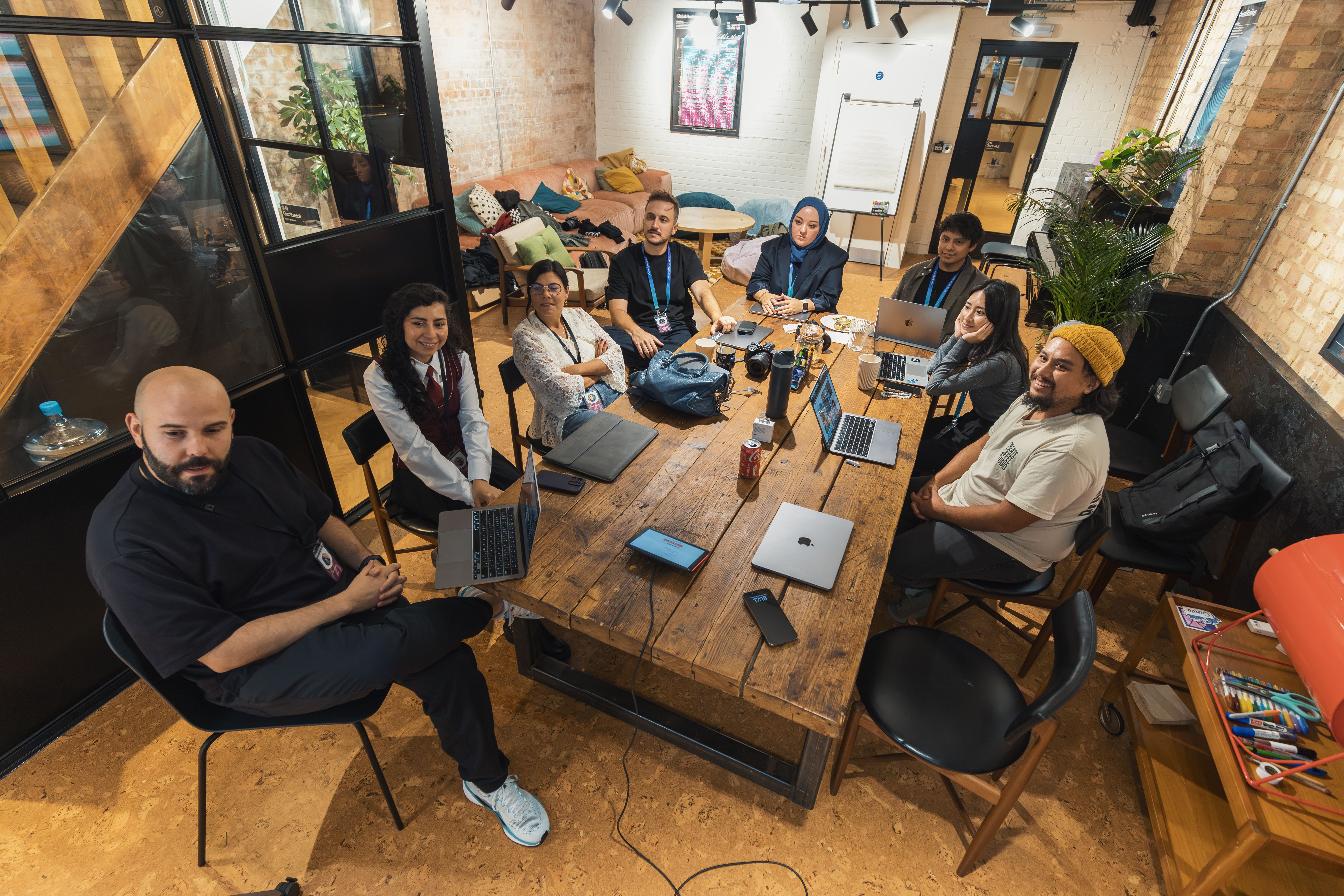


The organisations pulling ahead on AI did not get there with better tools. They rebuilt how the work happens first.
The number everyone reads wrong
The Josh Bersin Company's July 2026 research on talent acquisition carried a figure that travelled fast: some organisations are now running core HR and hiring functions with 30 to 40 percent fewer people while doing more. It was read almost everywhere as a staffing story, a headline about cuts.
That is the least interesting part of it. The figure is a symptom. What produced it was a decision most organisations have not made: to redesign the work before automating it, rather than bolting AI onto a process built for a slower, more divided way of operating.
What actually changes first
Watch a team absorb AI well and the first thing that moves is not the skill set. It is the operating rhythm. How long a cycle of work runs. Who owns which part of a task. Where one person's responsibility ends and another's begins. The tools come later, and the individual skills catch up faster than most leaders expect once the shape of the work has changed.
This is why so much AI training lands flat. A programme teaches a capable team a new tool, the team returns to a workflow designed around the old constraints, and the promised gains stay theoretical. The training was never the binding constraint. The design of the work was.
The demand data points the same way
The skills market is quietly confirming this. LinkedIn's Skills on the Rise 2026 puts AI engineering at the top of its fastest-growing list, as expected. The next two categories are not technical at all: operational efficiency and AI business strategy. Deciding what to point AI at, and organising the work so it actually helps.
Those are not tool skills. They are judgement and design skills, and they are climbing precisely because the constraint has moved. Once a tool is widely available, the scarce capability is no longer using it. It is knowing which problem is worth solving with it, and rebuilding the process around the answer.
Why this is a systems problem, not an effort one
The comfortable explanation for slow AI adoption is that people are resistant or under-skilled. The evidence points elsewhere. The OECD's Employment Outlook 2026 finds that the returns to skills and training vary sharply by context, not just by how much training happens. Skills compound where the surrounding system lets them, and stall where it does not.
Inside an organisation, that surrounding system is the operating model: the decision rights, the coordination, the way work is divided and sequenced. When those are built for a pre-AI way of working, no amount of individual capability closes the gap. People are trying. The infrastructure is not built for what the outcome now requires.
What this means for how capability gets built
For anyone designing workforce programmes or investing in them, the implication is uncomfortable but clarifying. A course completed is not a capability gained if the work it feeds back into has not changed. Institutions and employers that measure AI capability as training volume will keep hitting their targets while the outcomes stay flat.
The organisations pulling ahead treat AI capability as a property of how a team operates, not a line item sitting to one side of the real work. They redesign the process, then let the smaller, faster team and the new skills follow from it. That order matters. Reverse it, and the tools arrive to find nothing has changed.
The question worth asking of any AI investment is not which model or which course. It is whether the way the work is organised can absorb what the tool changes. Most of the time, that is where the real project is.


Relevant Articles


.jpg)
Workforce Outcomes, Delivered at Scale.
If you are building the future of workforce development and need a partner who can deliver measurable impact, let’s talk.
Start a conversation about your goals
Get in touch by booking a call or filling out the form.


